
 English
  Polski
  Deutsch
  Nederlands
  Svenska
  Norsk
Norsk  Dansk
Dansk  Français
  Italiano
  Español
  Português
  Slovenčina
  Suomi
Suomi  Gaeilge
 A Flawless May Garden What to Do in Time for a Bumper Harvest
May is the month when the garden looks a little different every morning. Greenery thickens, leaves lose their spring fragility, and the first truly saturated tones start to appear between clumps of perennials. From the kitchen window or the terrace you can suddenly see more than just a promise: the garden settles into layers that haven’t yet had time to tangle into a summer jungle, and that’s exactly what many of us love most about May. There’s order and anticipation in it, the gentle curves of young clumps as well as more dramatic accents of flowers you simply can’t overlook.
This is often when the power of self-seeding shows itself. Forget-me-nots, columbines or even calendula can fill empty spaces so naturally that a border looks fuller and calmer. Some people dismiss them as weeds, but in reality they’re small garden allies: they soften the transitions between bulbs and perennials, create a blue or yellow “haze” at the feet of taller plants, and above all bring lightness to the composition.
If you want your garden to look abundant, leave room in May for small surprises. Those are what make the atmosphere.
The stars of May borders and why they deserve a place
May is the overture before June’s fireworks, but it’s certainly not a “quiet” period. Quite the opposite: fresh foliage creates a luxurious green backdrop that makes ornamental alliums, late tulips and the first peonies stand out. Foxgloves stretch upward and hardy geraniums round out into sturdier mounds. Everything looks full of promise, and the gardener can’t help checking the buds several times a day.
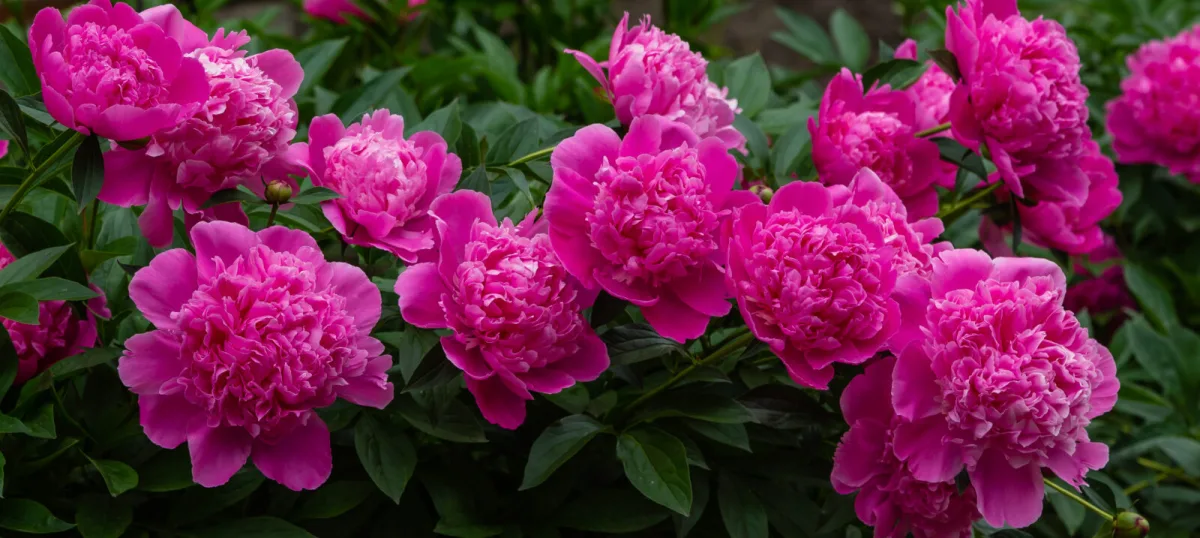
Peonies as the queens of May
Peonies build anticipation long in advance in May. Even their firm buds are an aesthetic event, which makes it all the harder to decide whether to cut any for a vase. They do best in sun, in soil that doesn’t dry to dust but also isn’t waterlogged for long periods. Once they’re well established, they gain strength and flower count every year, turning an ordinary border into a celebratory stage.
Geums that hold their colour for weeks
If you’re looking for a plant that quickly “does the job” in May, look for geums. Orange, yellow and apricot shades create a veil of colour for ornamental alliums and late tulips, and with regular deadheading they can flower for a long time. They pair beautifully with salvias, bellflowers and classic cottage-garden perennials because they look natural and don’t shout over their neighbours.
Foxgloves and other verticals for depth in the border
In May, it pays to think about shape and structure. Vertical accents such as foxgloves give borders depth and rhythm, especially when you set them among lower perennials and airy fillers. If you have partial shade, that’s often better for them than full scorching sun; they also self-seed sensibly and return to similar spots if you let them.
What to plant in May so summer gets going on time
May is a practical month. As soon as the risk of late frost has passed, it’s time to plant up pots, window boxes and beds. Plants raised indoors, in a greenhouse or under polytunnel cover should be hardened off for a few days: out during the day, back under protection at night. This simple step often decides whether annuals take off without shock or spend weeks standing still.
Annuals that will reward you right through to autumn
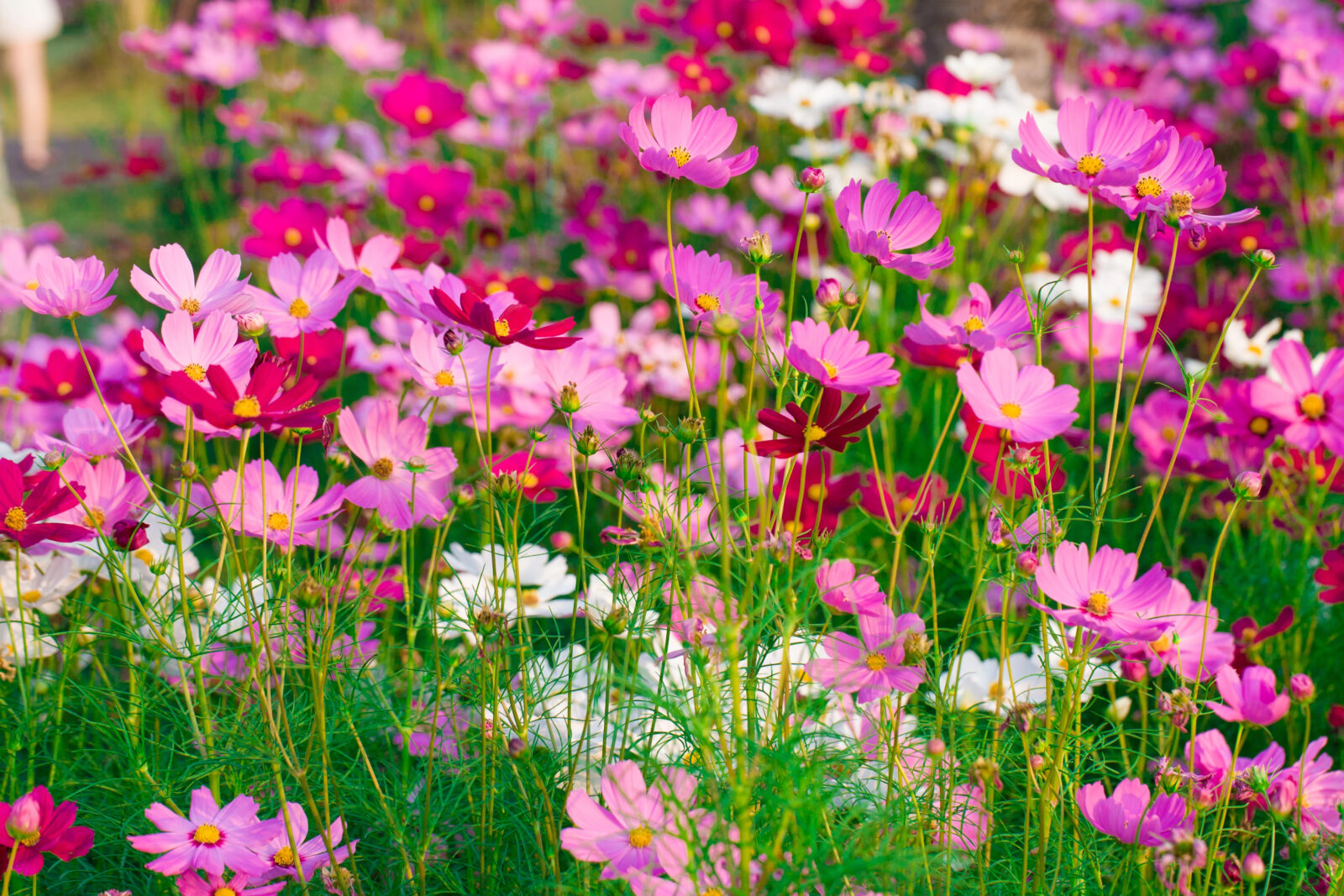
By the end of May, dahlias started in containers can go outside, as can many hardy annuals. If you didn’t manage to start seedlings, there’s no need to panic: some species can be sown directly into the bed, you’ll just shift flowering later. With plants such as cosmos, pinching out the tips helps encourage bushier growth and sturdier stems that flop less in summer.
The edible garden in May
In the vegetable garden, May often brings the “hungry gap”: winter stores are running low and the summer harvest is still on its way. If you planned early sowings, you may be picking your first lettuces, radishes or broad beans, and by the end of the month even strawberries. Asparagus is often at its best right now. The main focus in May, though, is sowing, caring for young plants and keeping beds weed-free, because growth suddenly accelerates.
Warm-season veg and succession sowings
Cucumbers, courgettes, pumpkins and sweetcorn like warmth and certainty. In cooler areas it’s worth raising them under cover and planting out only when nights are no longer cold. With potatoes, don’t forget earthing up so the tubers don’t turn green at the surface. And if you want a steady harvest, May is the moment to start succession sowings of quick crops, especially leafy salads.
Strawberries, clean fruit and less mould
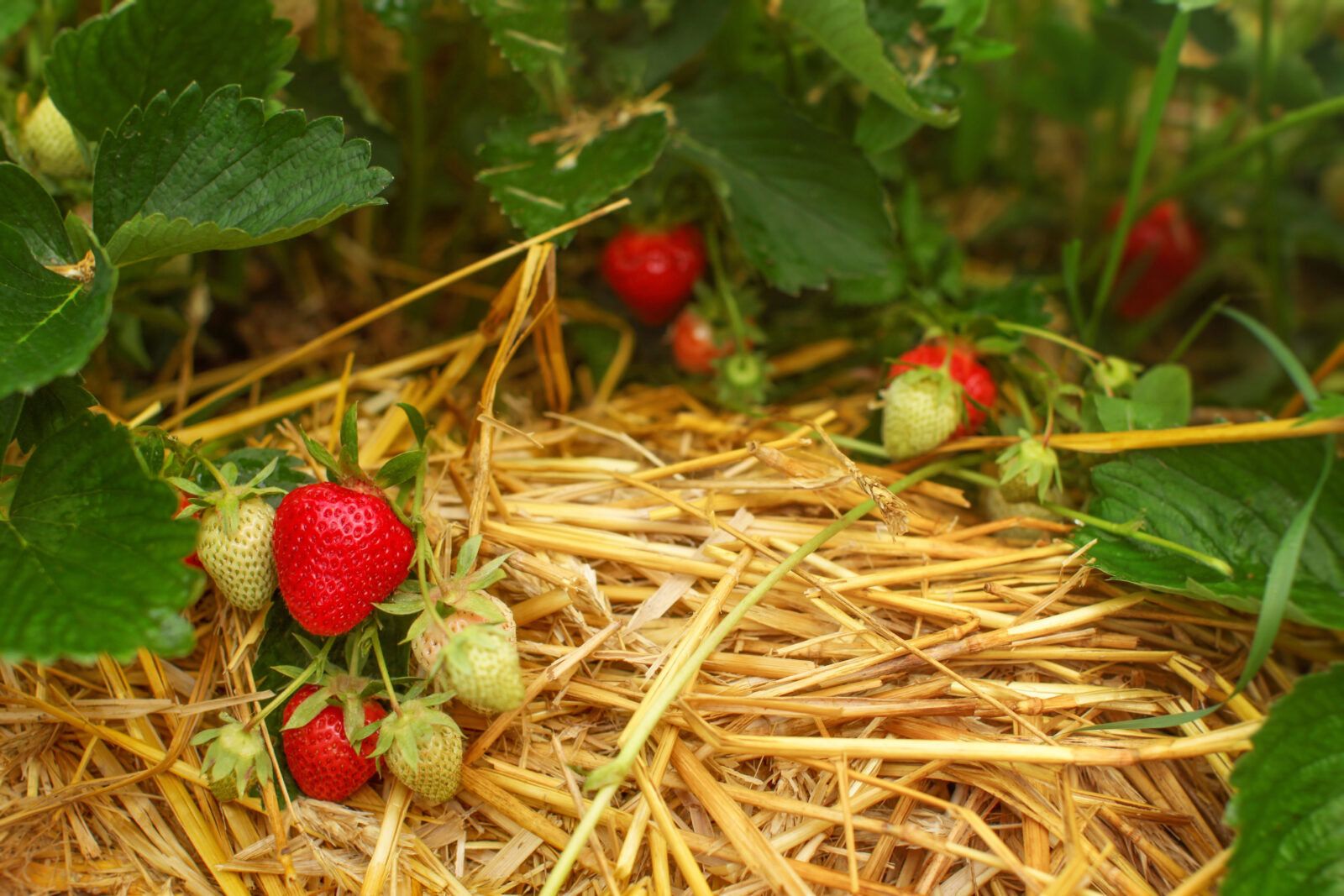
As soon as strawberries bulk up and start to set fruit, a simple trick helps: tuck straw or another dry material under the developing berries. They stay cleaner, rot less, and slugs have slightly harder access. May is also the month to check beds more often, because weeds can gain an unexpected head start in just a few warm days.
Herbs, water and the small daily tasks that make the difference
May is ideal for getting herbs like dill or coriander going, whether in the ground or in pots by the kitchen. A regular supply of fresh leaves is one of gardening’s greatest pleasures, and it naturally gets you walking past the beds and noticing the details.
Watering, feeding and container care
As temperatures rise, it quickly becomes obvious that pots dry out many times faster than beds. Keep an eye on watering; saucers can help for thirstier plants, as can a mulch on the surface of the pot. Container plants appreciate feeding roughly once every two weeks, because nutrients wash out of compost quickly.
Lawns, hedges and pests without unnecessary chemicals
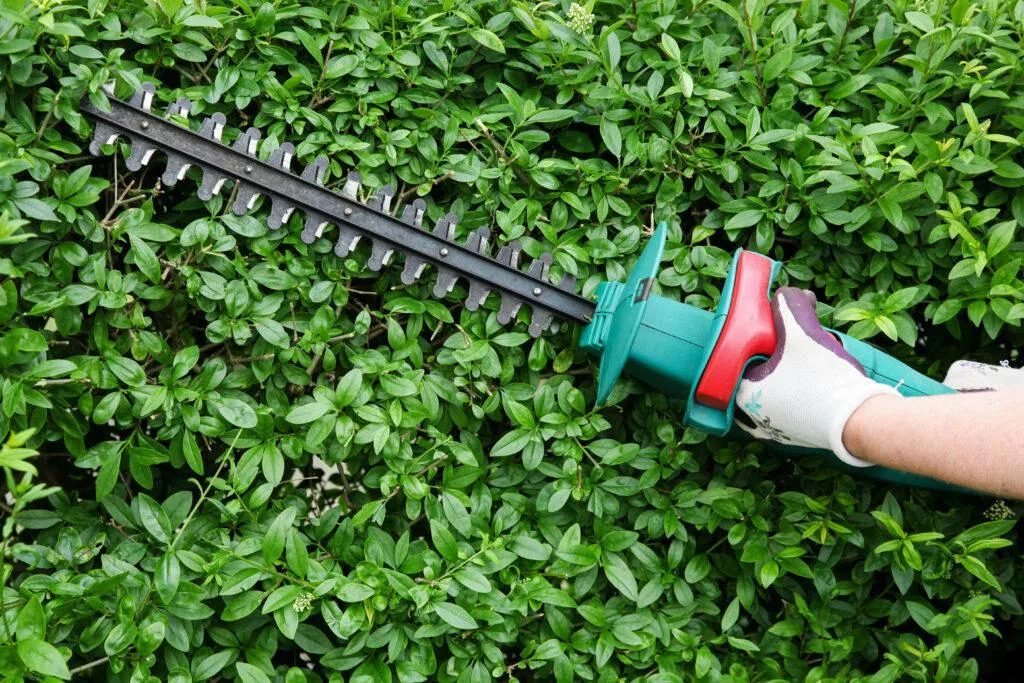
May is kind to repairing bare patches in the lawn; turf takes well at this time of year and it’s faster than sowing. Hedges are ready for their first trim, but always check for nesting birds. And roses? Keep an eye out for aphids. Often a strong jet of water is enough, or a mild solution of soapy water, to stop colonies getting established while keeping the garden friendly for beneficial insects.
May as a month of bouquets and small garden celebrations
A cutting garden in May offers a soft yet very elegant palette. Late tulips, peonies, foxgloves or bleeding hearts can turn an ordinary table into something festive. Cut early in the morning or in the evening, when plants aren’t stressed by heat and flowers stay fresh longer. And even though there’s still plenty to do, May has a way of reminding you why you do it: every day something opens, grows, surprises you and, for a moment, quiets the mind.
Source: House and Garden, Rhs , Pestrazahrada.cz
Related articles
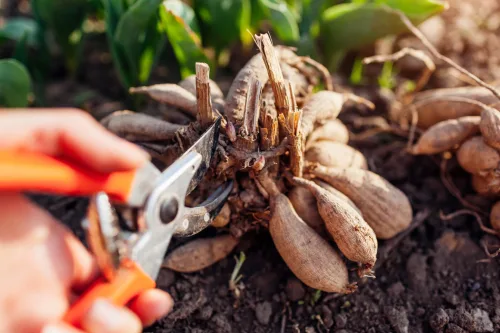
What to Do Before Frosts So Tuberous Plants and Bulbs Make It Through Winter
Tender tuberous plants and bulbous flowers often need help to survive winter. Learn when to lift and store them and when a thick mulch layer in situ is enough.
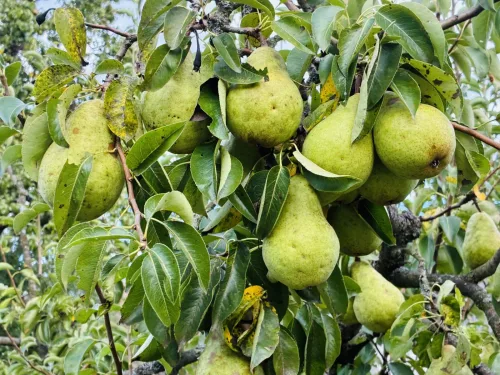
Common Mistakes When Harvesting and Storing Pears and How to Keep Them Fresh Longer
Pears need harvesting slightly under-ripe and then ripened off the tree to develop their best flavour and texture. Learn how to pick, ripen and store them correctly so they last well into winter.

How to Store Carrots for Winter and Why the First Step After Harvest Matters
Carrots can stay fresh for much of the winter, but only if you handle them properly right after harvest. Careful sorting, gentle handling and the right storage method prevent rot and keep roots crisp for longer.
Comments (0)
Be the first to comment.